Beginner's Guide to Peptide Reconstitution
Educational content. Not medical advice. Consult a qualified healthcare professional before acting on any information in this article. Full disclaimer.
What is Peptide Reconstitution?
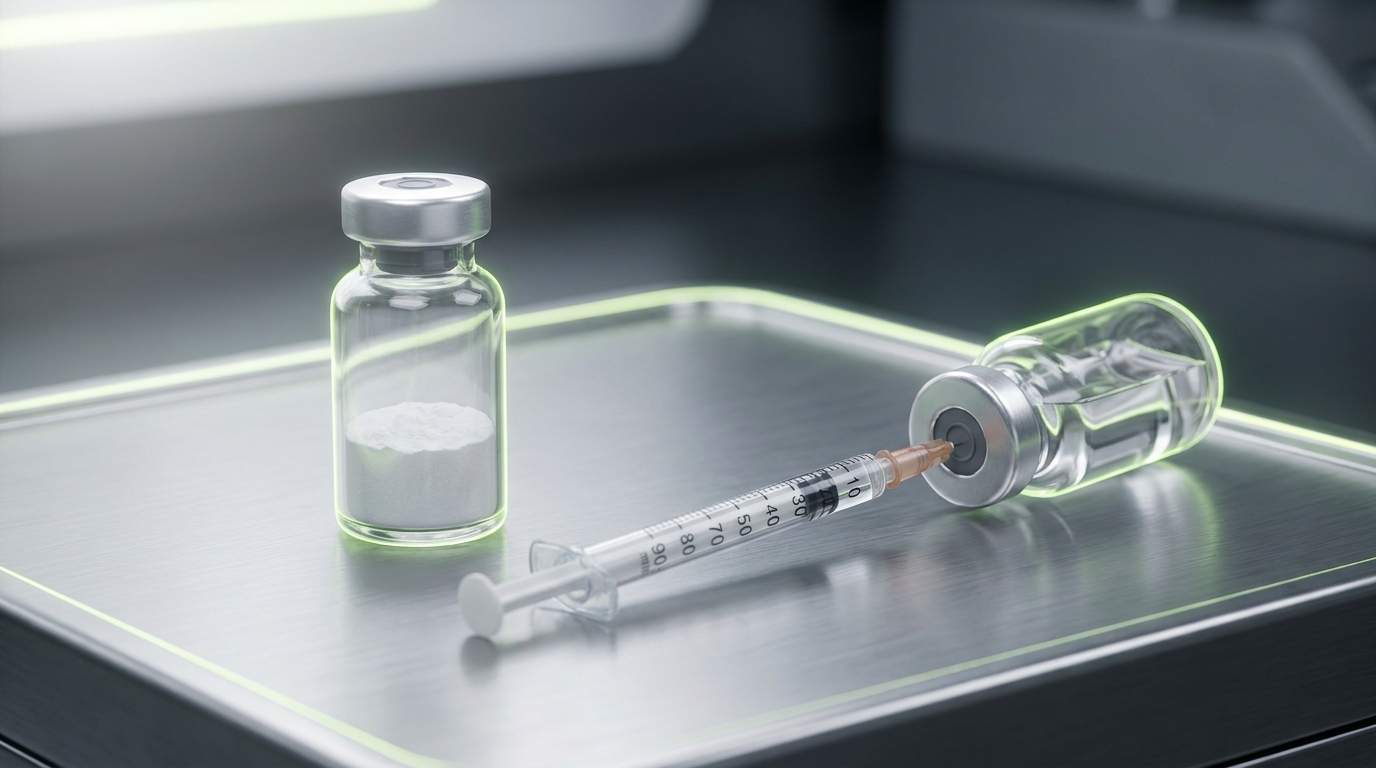
Reconstitution is the process of dissolving a lyophilized (freeze-dried) peptide powder into a liquid solution. In research laboratories, peptides are typically supplied as lyophilized powders because this form provides greater stability during storage and shipping compared to pre-mixed solutions.
Understanding proper reconstitution technique is important for researchers working with peptides in laboratory settings, as improper handling can denature the peptide or introduce contamination.
Common Solvents Used in Research
The choice of solvent depends on the specific peptide's properties, including its solubility, charge characteristics, and intended use in the research protocol.
Bacteriostatic Water (BAC Water)
Bacteriostatic water contains 0.9% benzyl alcohol as a preservative, which inhibits microbial growth. This is the most commonly referenced solvent in peptide research protocols. The preservative allows for multiple withdrawals from a single vial over time.
Sterile Water
Sterile water for injection contains no preservatives. It is used when benzyl alcohol sensitivity is a concern or when a single-use protocol is followed. Solutions made with sterile water should typically be used within 24 hours or stored frozen.
Sodium Chloride Solution (0.9%)
Normal saline is occasionally used for peptides that have poor solubility in plain water. The ionic content can help solubilize certain charged peptides.
General Reconstitution Procedure in Research
The following describes the general laboratory procedure observed in research settings:
- Step 1: Allow the lyophilized peptide vial to reach room temperature before opening.
- Step 2: Clean the vial stopper with an alcohol swab and allow it to dry.
- Step 3: Using a sterile syringe, draw the calculated volume of solvent.
- Step 4: Insert the needle through the stopper and direct the solvent down the inside wall of the vial, not directly onto the powder cake.
- Step 5: Allow the solvent to dissolve the peptide. Gentle swirling may be used if needed, but vigorous shaking should be avoided as it can damage peptide bonds.
- Step 6: Once fully dissolved, the solution should appear clear. Cloudiness may indicate degradation or contamination.
Calculating Concentration
Reconstitution concentration is determined by the volume of solvent added to a known quantity of peptide. For example:
- 5mg peptide + 2mL solvent = 2.5mg/mL (or 2500mcg/mL)
- 5mg peptide + 1mL solvent = 5mg/mL (or 5000mcg/mL)
- 10mg peptide + 2mL solvent = 5mg/mL (or 5000mcg/mL)
Our reconstitution calculator can help researchers determine the appropriate volumes for their desired concentrations.
Storage After Reconstitution
Proper storage of reconstituted peptides is critical for maintaining their integrity:
- Refrigeration (2-8°C): Most reconstituted peptides in bacteriostatic water are stored refrigerated and used within 4-6 weeks in research settings.
- Avoid freezing reconstituted solutions: Freeze-thaw cycles can damage peptide structure. If long-term storage is needed, aliquoting before freezing is preferred.
- Protect from light: Many peptides are photosensitive. Amber vials or foil wrapping can reduce light exposure.
- Minimize temperature fluctuations: Store in the main body of the refrigerator rather than the door.
Common Mistakes to Avoid
Spraying Solvent Directly on Powder
High-pressure injection of solvent directly onto the lyophilized cake can damage fragile peptide structures. Always direct the stream along the vial wall.
Shaking the Vial
Vigorous shaking introduces air bubbles and mechanical stress that can break peptide bonds. Gentle rotation or swirling is preferred.
Using Incorrect Solvents
Some peptides require specific pH ranges or ionic conditions for proper solubility. Always consult the peptide manufacturer's documentation for solvent recommendations.
Quality Indicators
A properly reconstituted peptide solution should be:
- Clear and colorless (unless the peptide itself has color)
- Free of particulate matter
- Fully dissolved with no visible powder remaining
This is not medical advice. This article is for educational purposes only. This information is intended for research professionals working in laboratory settings. Always consult a qualified healthcare professional before making any decisions about your health.
Disclaimer: The information provided on Peptadex is for educational and informational purposes only. It is not intended as medical advice, diagnosis, or treatment. Always consult a qualified healthcare professional before making any health-related decisions.
Track Your Peptide Protocols
Log doses, track cycles, and monitor your research with Protocol.
Join WaitlistAdvertisement